 Skip to main content


PV Plant Due Diligence
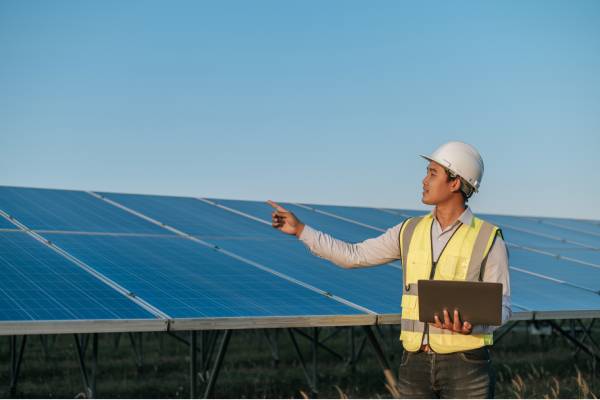
Solar PV projects are long-life infrastructure assets. The actual value of the plant depends on its design quality, equipment condition, construction quality, operation, and long-term performance. This is where PV plant due diligence becomes important. A good due diligence review can help owners, investors, or lenders avoid unexpected repair costs, generation shortfall, and operational problems.
Review of Documents
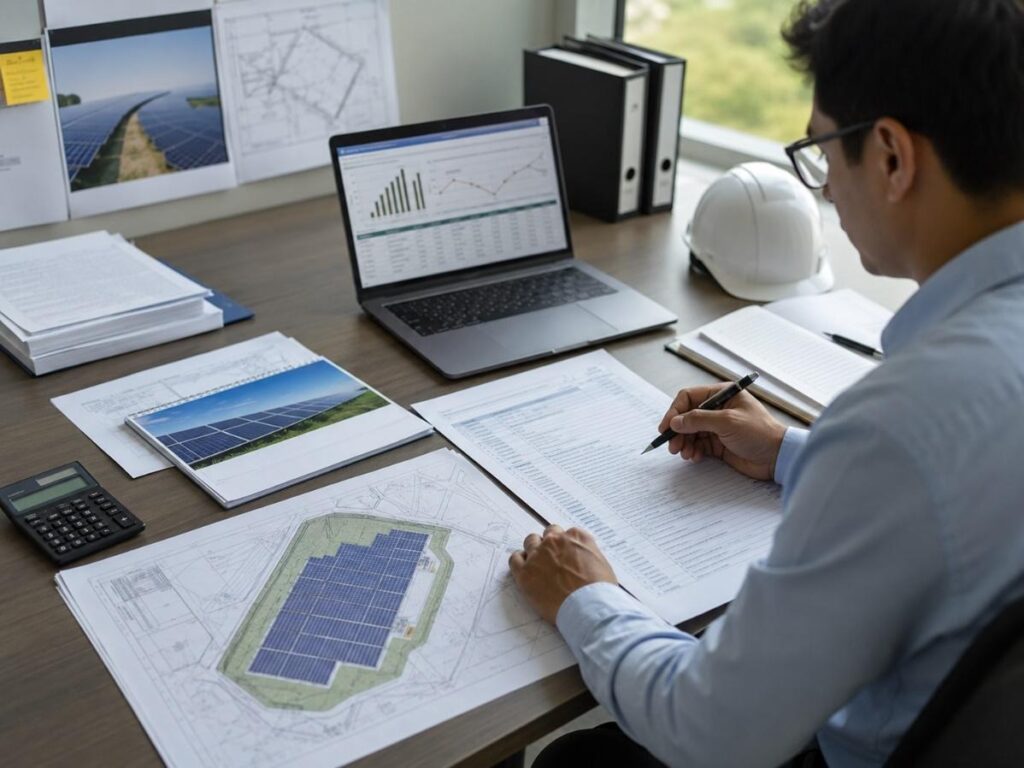
The first step in due diligence is the review of project documents. Documents help in understanding what was planned, what was supplied, and what is actually available at site. Important documents such as the detailed project report, as-built drawings, energy yield report, equipment datasheets, warranty certificates, test reports, grid approvals, statutory approvals, and O&M records should be reviewed. If important documents are missing or incomplete, it may create difficulties in the future.
Site and Plant Condition Review
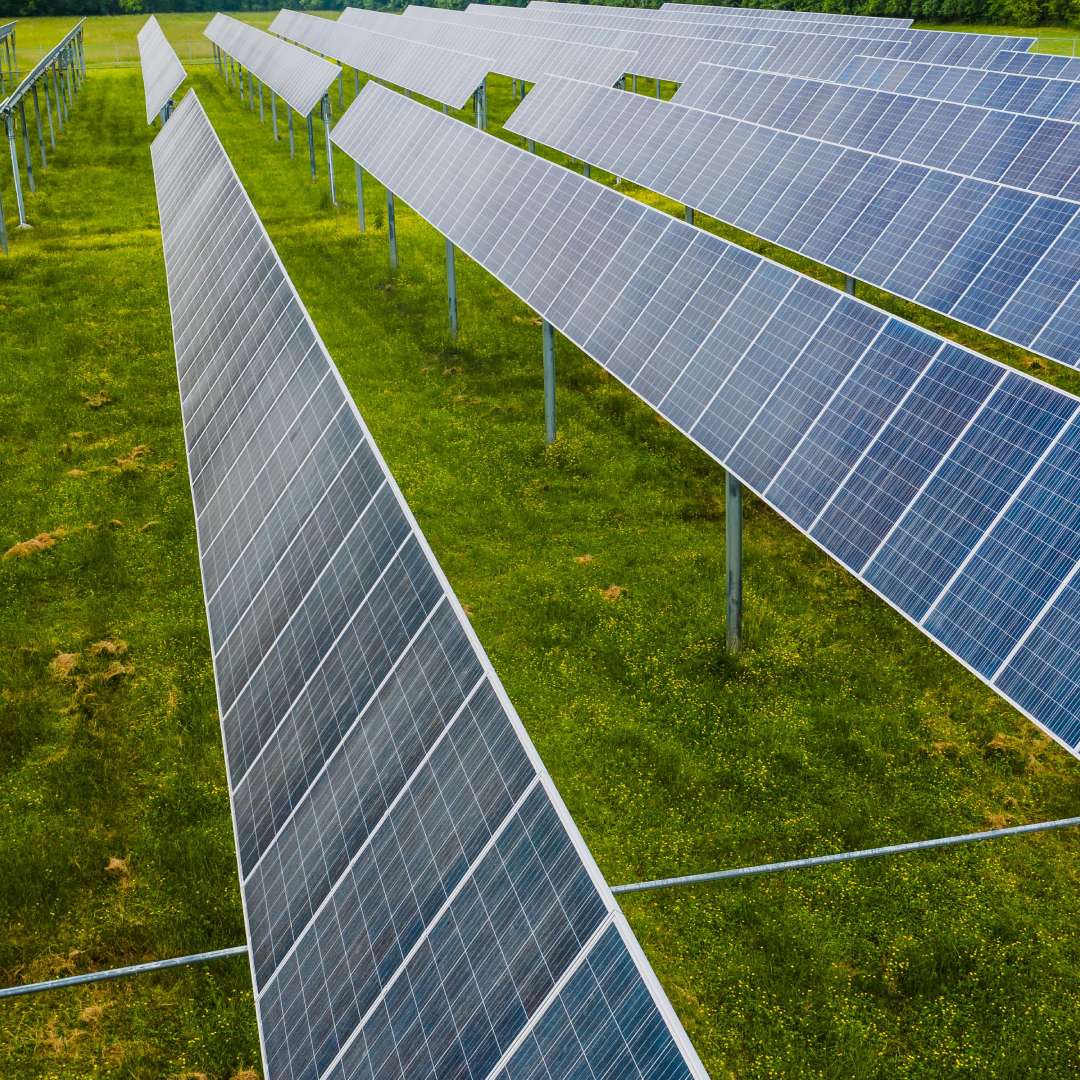
A site visit is an important part of PV plant due diligence. During the visit, the actual condition of the plant can be checked. Sometimes the condition shown in drawings is different from the real site condition. Therefore, the condition of modules, inverters, transformers, cables, mounting structures, roads, fencing, drainage, and general housekeeping should be reviewed.
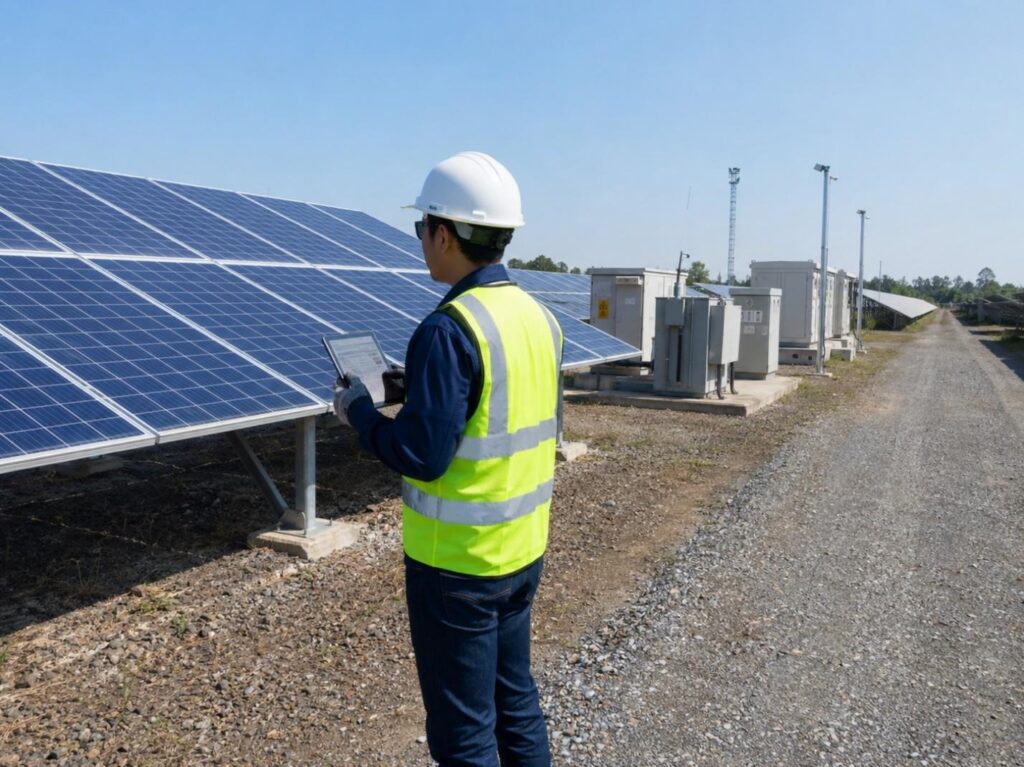
Poor maintenance can directly affect plant generation. Dirty modules, damaged cables, poor drainage, broken fencing, and poor housekeeping can create performance as well as safety issues. The mounting structure should also be checked for rusting, alignment, and foundation condition. If the structure is weak or corroded, it may create future safety concerns.
PV modules are one of the most important parts of a solar plant. Their make, capacity, warranty, and physical condition should be checked. Inverters should also be reviewed because inverter failure can stop generation from the connected section of the plant. Warranty status, service support, and spare availability should also be checked.
Energy Generation Review
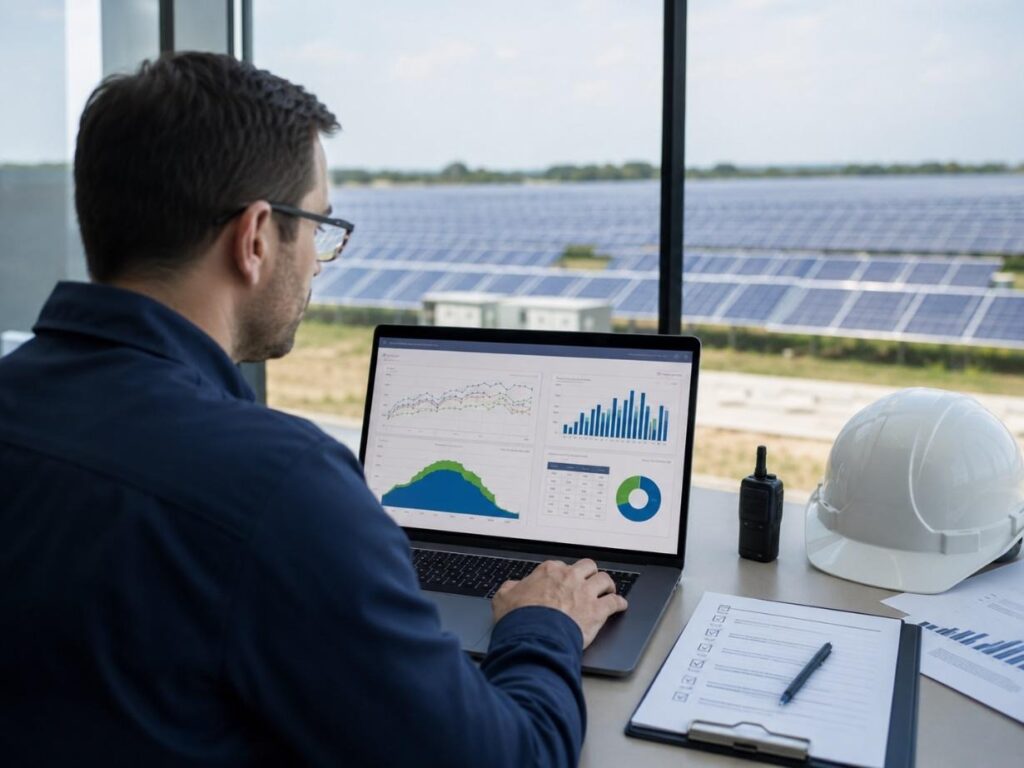
Energy generation is one of the most important factors in any solar project because revenue is directly linked to plant generation. Therefore, due diligence should check whether the generation assumptions are realistic.
Actual monthly and annual generation should be compared with the estimated generation. If the actual generation is lower than expected, the reason should be identified. The reason may be soiling, inverter problems, grid outage, module degradation, cable losses, or poor maintenance.
The original energy yield study should also be reviewed. It should be checked whether the assumptions for irradiation, soiling loss, degradation, plant availability, and grid outage are reasonable. If assumptions are too optimistic, the project may not perform as expected in the long term.
Design and Engineering Review
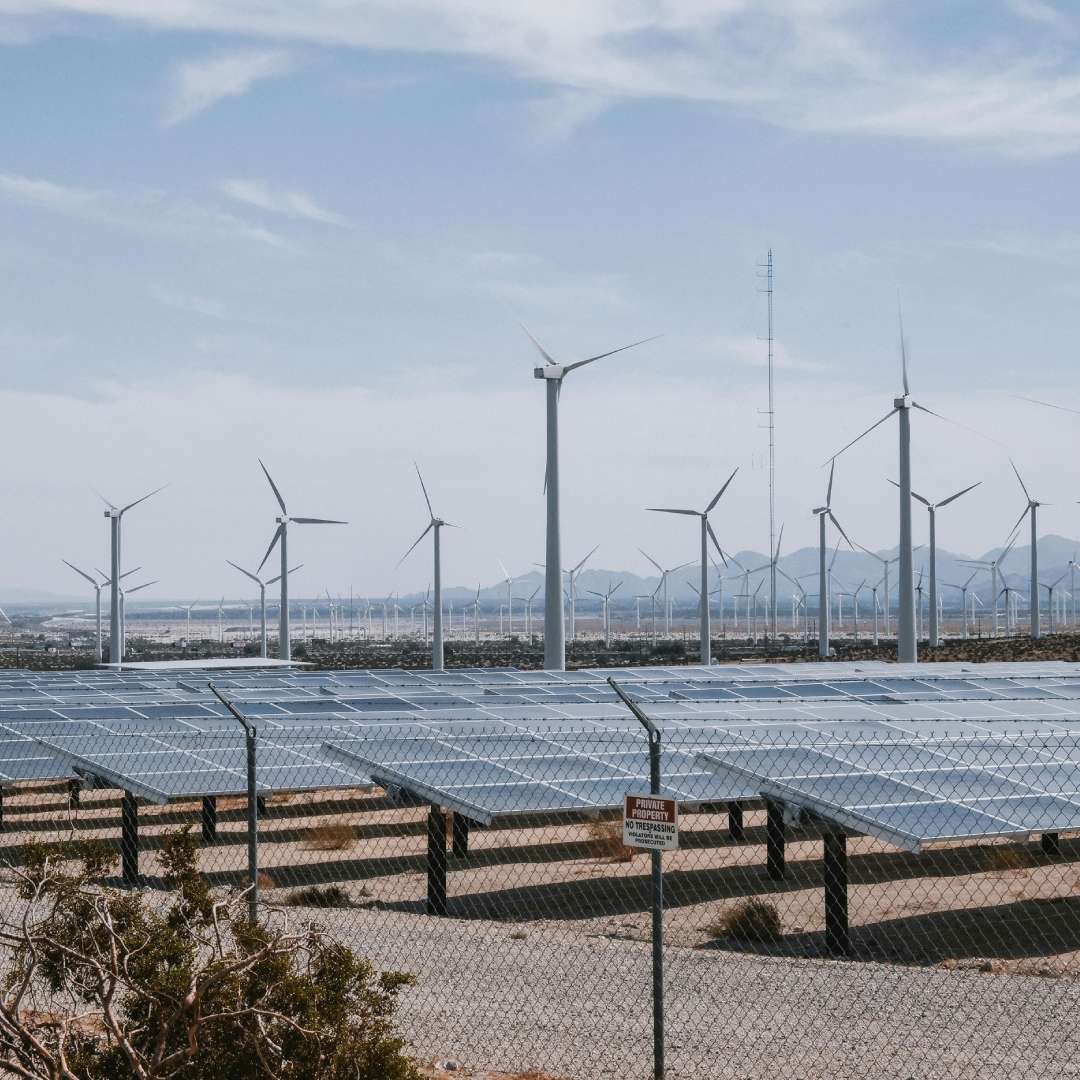
The design of the plant should also be reviewed during due diligence. Important items such as DC capacity, AC capacity, DC/AC ratio, inverter rating, transformer rating, cable sizing, earthing, and lightning protection should be checked.
Grid connection is also important because power cannot be exported if the grid is not available. Therefore, grid outage history, metering system, transformer condition, and evacuation arrangement should be reviewed.
Contract review should be carried out to verify key technical obligations, including PPA terms, performance guarantees, warranties, liabilities, and compliance requirements.
Operation, Maintenance, and Safety Review
Operation and maintenance, or O&M, plays an important role in the long-term performance of a solar plant. Activities such as module cleaning, vegetation cutting, inverter maintenance, transformer maintenance, and spare management should be checked.
Safety should also be reviewed during due diligence. Earthing, fire extinguishers, warning boards, personal protective equipment, fencing, and emergency procedures should be available at site. If safety is ignored, it may lead to accidents and equipment damage.
Conclusion
In conclusion, PV plant due diligence is a basic but important process for understanding the actual condition of a solar power plant. It helps investors, owners, and lenders make better decisions. If due diligence is done properly, future problems can be reduced, plant reliability can be improved, and the long-term value of the asset can be protected.
