 Skip to main content
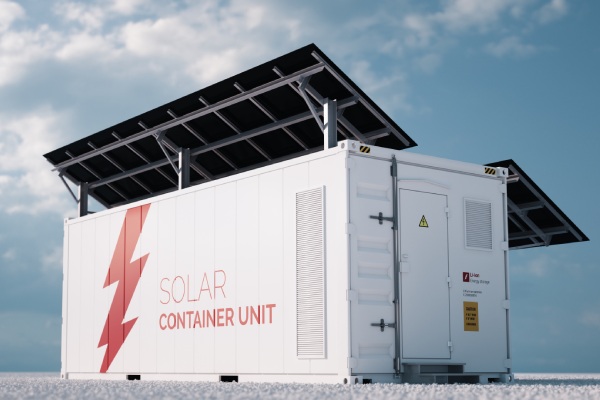


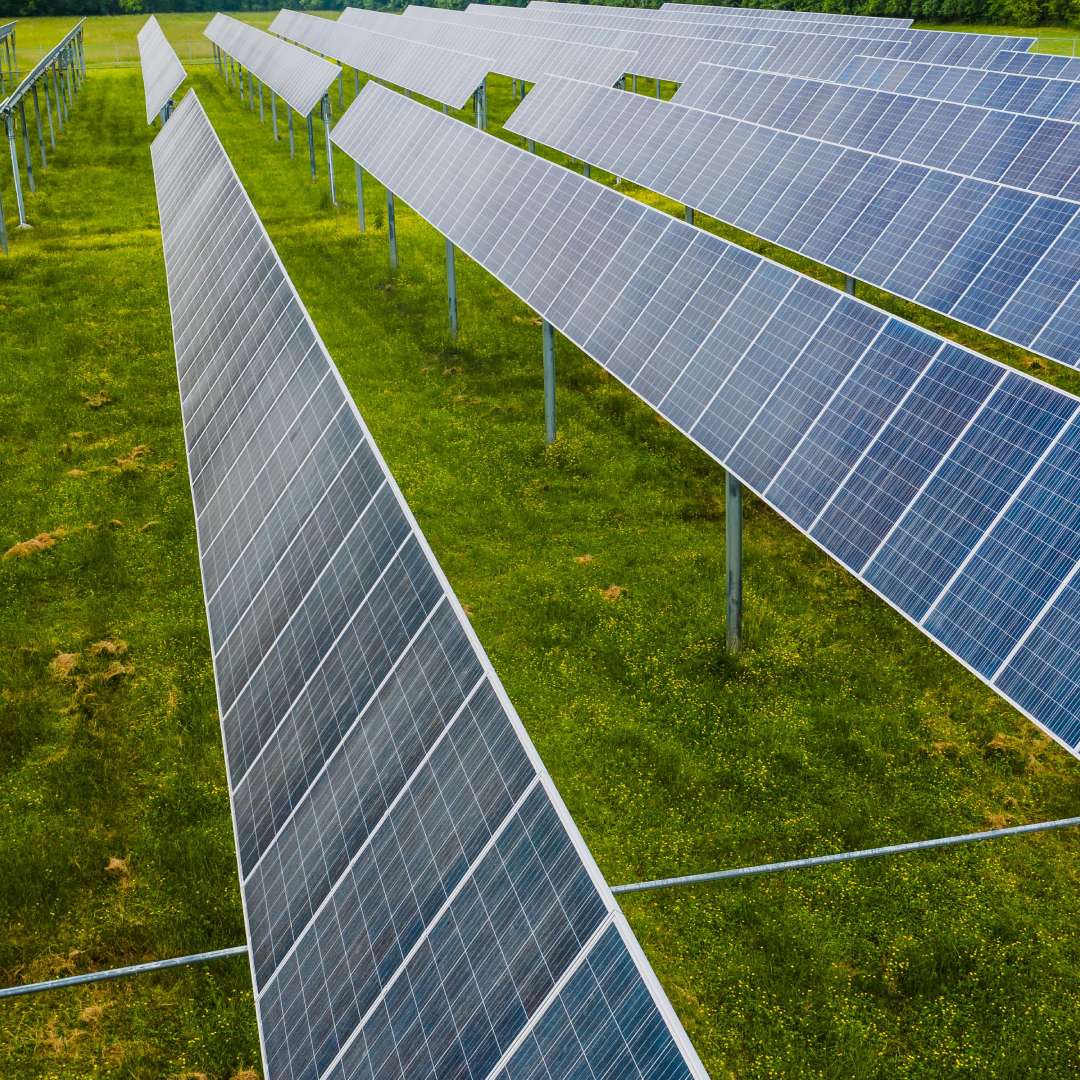
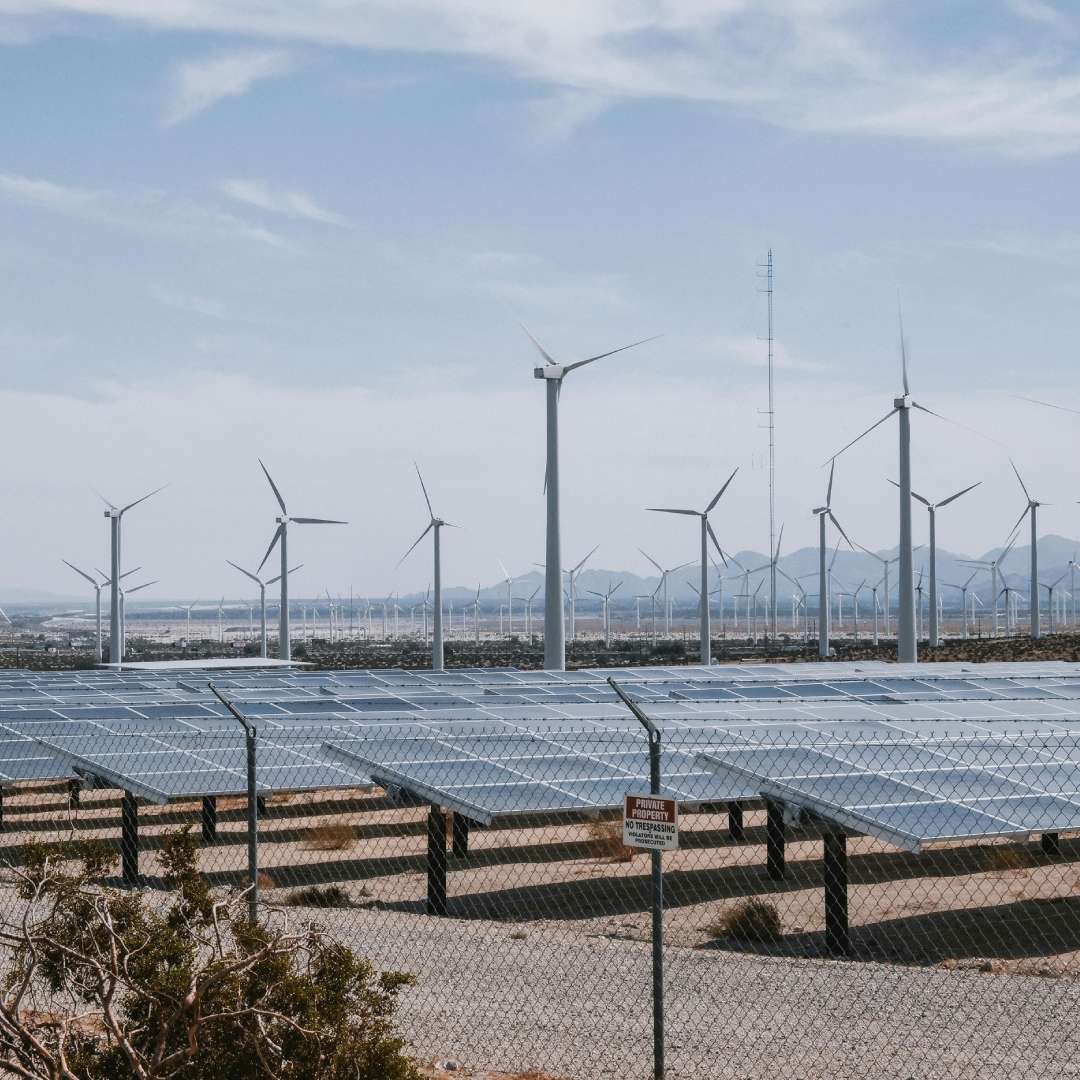
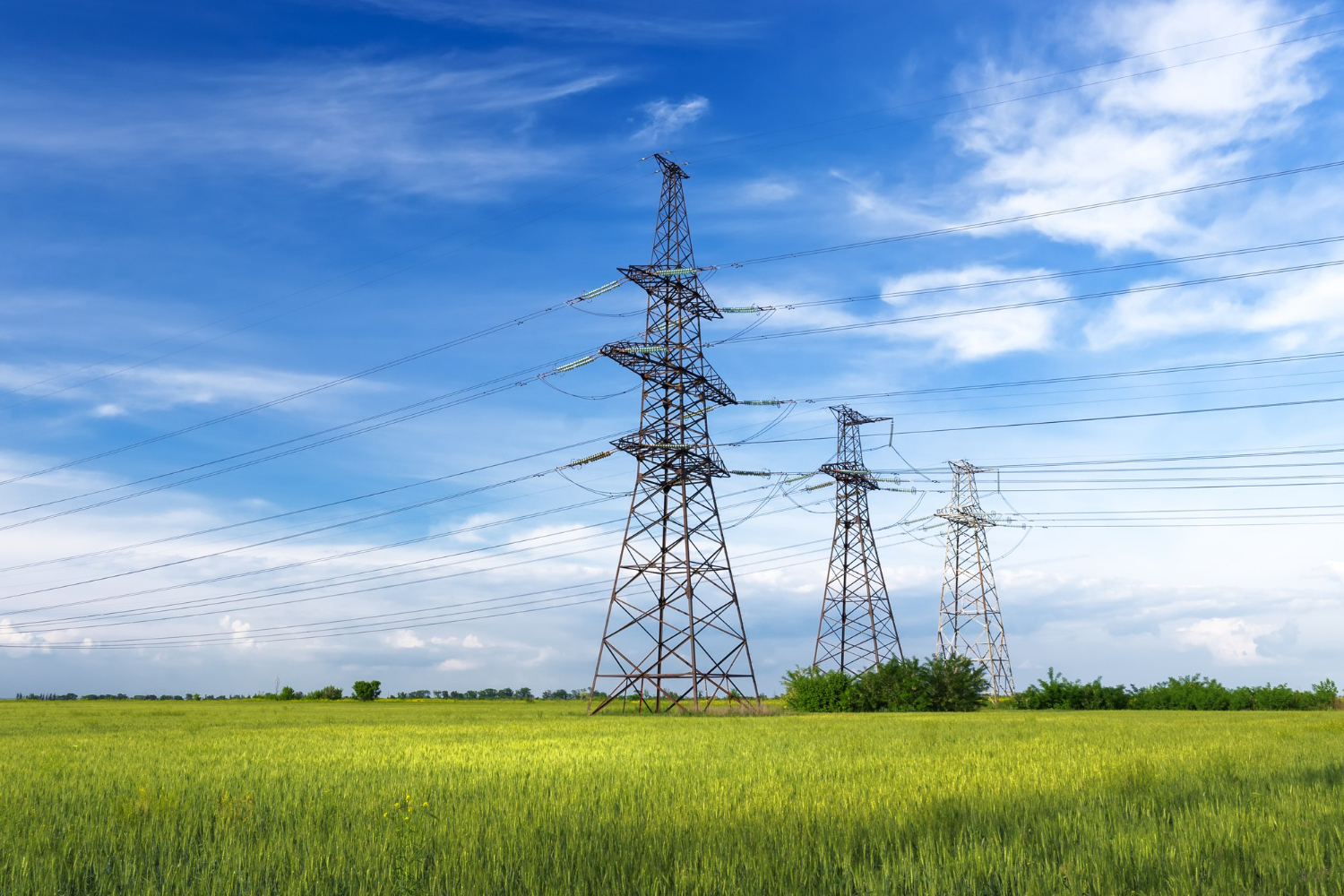
As global power grids rapidly evolve to accommodate renewable energy integration and rising energy demands, Extra High Voltage (EHV) Transmission Line Engineering has become more critical than ever. Delivering grid infrastructure especially up to 765 kV requires balancing stringent safety standards, terrain constraints, Right-of-Way (RoW) bottlenecks, and strict capital expenditure (CAPEX) budgets.
At QQ Engineering & Consulting (QQEC), we provide independent, high-value consulting that bridges the gap between initial power evacuation feasibility and final line commissioning across India and globally.
The Complete EHV Line Lifecycle: Where Optimization Happens
EHV line engineering is rarely linear. Strategic decision-making at the early design stage directly impacts total steel weight, land requirements, line losses, and long-term operational resilience
1. Route & Span Optimization
Navigating complex site terrain, high wind zones, and severe RoW restrictions requires more than traditional surveying.
- GIS & Terrain Analysis: We leverage advanced Geographic Information Systems (GIS) mapping, corridor selection, RoW analysis, field surveys and environmental data to identify routes that minimize land acquisition friction and reduce overall line length.
- Spotting & Span Optimization: Utilizing PLS-CADD, we perform tower spotting and span optimization, ensuring minimum clearances while reducing total tower count.
2. Advanced Power System Studies & Conductor Sizing
Conductor selection should never be based solely on rule-of-thumb ampacity.
Using power system simulation tools including PSS/E, DIgSILENT PowerFactory, and ETAP, our team conducts rigorous power flow, dynamic stability, and contingency (N-1/N-2) analyses. This grid evacuation modeling determines the optimal conductor thermal and electrical sizing balancing capital investment against lifetime line losses (I2R).
3. Structural Tower Optimization & Sag-Tension Analysis
Steel structure weight represents one of the largest single cost drivers in transmission line construction.
- PLS-TOWER Expertise: We model, analyze and optimize lattice towers under site-specific wind zones, extreme thermal loadings and broken-wire scenarios.
- Optimized Sag-Tension Calculations: Precise tension modelling minimizes structural loading on strain towers and optimizes clearance margins, allowing for lighter, standardized, yet highly resilient tower structures.
4. Foundation Engineering
Reliable foundations are essential for transmission line stability, particularly in challenging soil and terrain conditions.
QQEC supports:
- Geotechnical data review.
- Foundation loading calculations.
- Foundation design optimization.
- Special foundation solutions.
- Mountainous and difficult terrain applications.
Our approach minimizes unnecessary concrete volumes while ensuring long-term structural performance.
Core Service Offerings
QQ Engineering & Consulting (QQEC) supports utilities, developers, renewable energy companies, and EPC contractors across the complete transmission line project lifecycle:
| Engineering Pillar | Focus Area | Tools & Expertise | Primary Value Delivered |
| Route Optimization | GIS mapping, corridor selection, RoW analysis. | GIS Platforms | Reduced route length and land acquisition costs. |
| Line Design | Tower spotting, profiling, clearance checks | PLS-CADD | Optimized tower count and construction cost |
| Power System Studies | Load flow, contingency, stability studies | PSS/E, ETAP, DIgSILENT | Reliable grid integration and conductor sizing |
| Tower Engineering | Structural analysis and optimization | PLS-TOWER | Reduced steel tonnage and fabrication costs |
| Foundation Engineering | Geotechnical review and foundation design | Engineering Calculations | Lower concrete volumes and improved stability |
| Renewable Integration | Grid evacuation and interconnection studies | PSS/E, ETAP | Seamless solar and wind integration |
| Independent Design Review | Technical due diligence and verification | Multi-disciplinary Review | Reduced project and execution risk |
| Route Optimization | GIS mapping, corridor selection, RoW analysis | GIS Platforms | Reduced route length and land acquisition costs |
The QQEC Value Addition: Engineering Excellence, Lasting Impact
| Project Stage | Typical Challenge | QQEC Solution | Business Impact |
| Feasibility & Planning | Uncertain routing options | GIS-based route optimization | Reduced project development risks |
| Design Phase | Excessive tower quantities | Line profile and span optimization | Lower CAPEX |
| Procurement Phase | High steel and foundation costs | Structural optimization and standardization | Reduced material expenditure |
| Construction Phase | Site-specific engineering issues | Detailed engineering support | Faster project execution |
| Grid Connection | Network constraints | Power system and evacuation studies | Reliable grid integration |
| Operations & Maintenance | High lifecycle costs | Asset optimization and technical review | Improved long-term ROI |
Key Benefits Delivered by QQEC
| Area | Client Benefits |
| Cost Optimization | Reduced steel weight, foundation quantities, and construction costs |
| Schedule Improvement | Faster engineering approvals and project execution |
| Technical Excellence | Designs aligned with IEC, IEEE, utility, and national standards |
| Risk Mitigation | Independent review minimizes engineering and construction risks |
| Sustainability | Supports renewable energy integration and environmentally conscious routing |
| Reliability | Improved operational performance and asset life expectancy |
Industry Sectors We Support
| Sector | Typical Applications |
| Utilities & Transmission Companies | New transmission corridors, network expansion, uprating projects |
| Renewable Energy Developers | Solar Park evacuation, wind farm interconnections, hybrid projects |
| EPC Contractors | Detailed design engineering and optimization support |
| Industrial & Private Networks | Dedicated transmission systems and grid connectivity |
| Government & Infrastructure Agencies | Grid modernization and strategic transmission planning |
Partner with QQEC on Your Next Transmission Project
Whether you are planning a greenfield 765 kV transmission trunk line, navigating complex urban RoW challenges, or seeking an independent review of existing line designs, QQEC brings world-class software expertise and deep domain insight to your project
