 Skip to main content
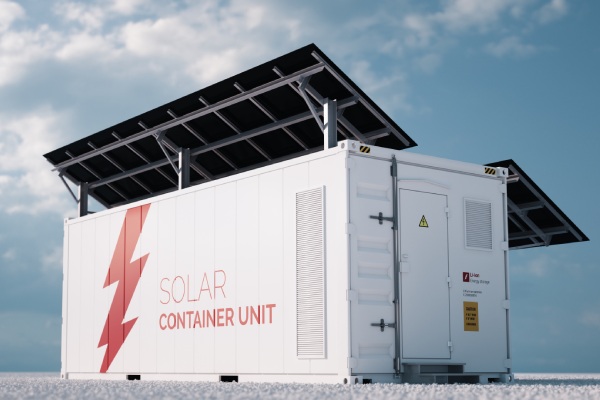


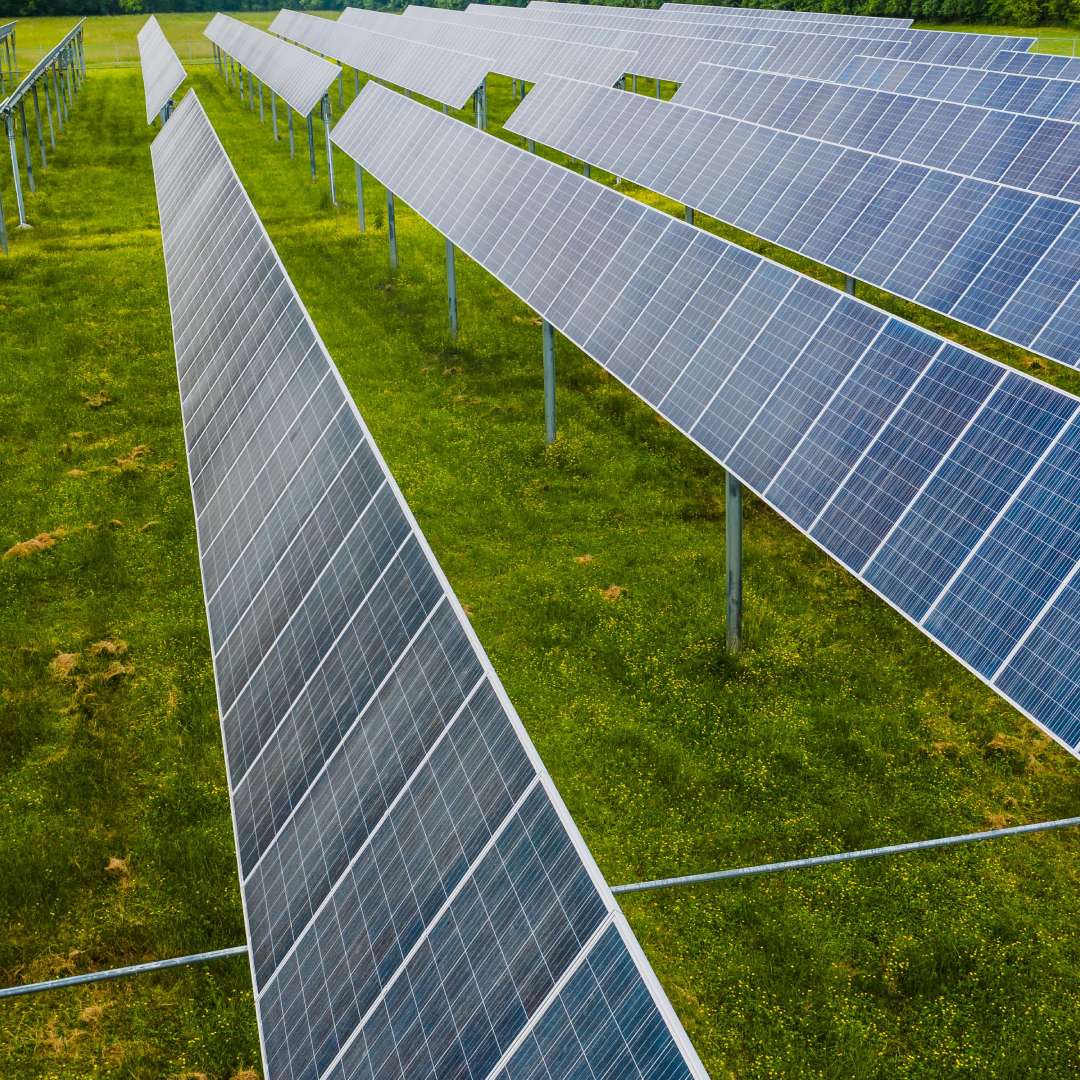
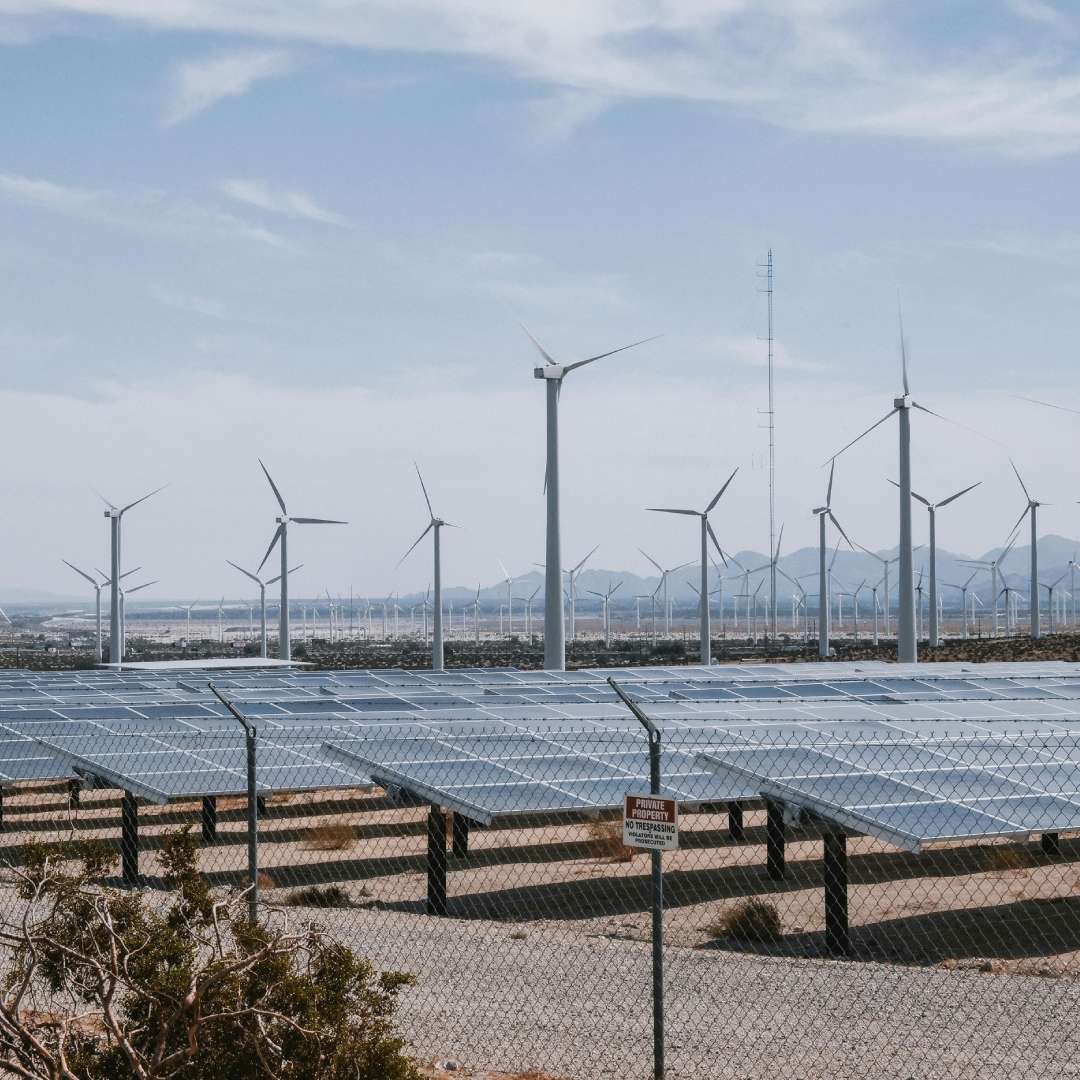

Utility-scale BESS can stabilise modern, renewable-heavy power systems by providing strong capacity, peak shaving, and fast frequency response. To achieve high bankability and reliability, there must be robust energy storage system engineering designed for long-term reliability, not just battery hardware. Successful projects rely on carefully considered BESS sizing and grid integration supported by electrical modelling.
BESS Architecture and the Grid Interface
A grid-connected, utility-scale BESS is a power station with unique BESS engineering. The direct current (DC) system includes battery racks with a Battery Management System (BMS) to monitor cell voltages, temperatures, and SOC.
DC power is fed into a bidirectional AC/DC power conversion with four-quadrant active and reactive power control. PCS output is connected to a step-up transformer to interface with the MV/HV collection system. The Energy Management System (EMS), the protection system, and plant SCADA control automated dispatch, protection, and temperature management.
BESS Battery Sizing Methodology
The best BESS battery sizing requires that you evaluate the duty cycles of your project, not just the capacity from your standard vendor.
- Power vs. Energy Capacity: Power requirement (MW) defines the instantaneous rate at which the system delivers electricity, whereas energy capacity (MWh) dictates the total energy stored and discharged over a specific duration.
- Duty Cycles & Generation Profiles: Sizing models must reflect required charging and discharging profiles, facility load profiles, and co-located solar or wind generation profiles.
- Degradation & Efficiency: Cell degradation over project life, round-trip efficiency, depth-of-discharge limits, and auxiliary parasitic loads directly impact usable throughput.
- Operating Demands: Capacity must be tailored to specific revenue streams, such as peak shaving, energy arbitrage, firm power delivery, or ancillary services.
Engaging an independent BESS sizing consultant ensures that capacity models reflect the actual demand without costly overbuilding.
BESS Grid Integration Requirements
BESS Grid integration requires system engineering expertise at the point of interconnection. Interconnecting the storage network to the transmission network requires coordinated electrical balance-of-plant design.
- Interconnection & Substation Interface: Establishing grid voltage levels, dedicated step-up transformer ratings, and switchgear protection schemes.
- Real & Reactive Power Control: Utilising four-quadrant PCS controls for dynamic reactive power support, active power dispatch, and continuous voltage regulation.
- Fault Dynamics: Evaluating the short-circuit contribution from the BESS and establishing selective protection coordination across network relays and breakers.
- Power Quality & Grid Code Compliance: Mitigating harmonics, interharmonics where applicable, flicker, voltage unbalance and resonance/system impedance considerations.
BESS Power System Studies
Conducting early power system studies for solar and BESS projects is necessary to achieve utility interconnection approvals, verify equipment ratings, and protect high-voltage infrastructure.
Before connecting to the grid, BESS power system studies examine network compatibility, dynamic grid stability, voltage behaviour, and power-flow behaviour. Load flow, short-circuit, protection coordination, harmonic analysis, voltage assessment, and reactive power assessment confirm grid compliance and impact. To explore study methodologies and software modelling in detail, review our guide on the types of power system studies.
BESS Engineering Services by QQEC
As a BESS engineering consultant firm, QQEC offers technical assistance at all stages of a project. We help developers and IPPs design energy storage system engineering, including BESS battery sizing, electrical design, BESS grid integration studies, and power system simulations. We also provide owner’s engineering for solar PV + BESS, BESS technical due diligence, and distributed energy resource integration to de-risk capital investments.
Conclusion
For reliable BESS projects, coordinated sizing, electrical design, grid integration, and power system studies are necessary. Partnering with an independent consultant ensures compliance, safety, and the bankability of your assets. De-risk your next project with our BESS engineering services.
Frequently Asked Questions
What is the difference between BESS power (MW) and BESS energy capacity (MWh)?
A power unit (MW) measures the instantaneous rate at which the system charges or discharges electricity. A power unit with energy capacity (MWh) measures the total amount of stored and delivered energy over a longer discharge period.
How is BESS sizing determined for a solar-plus-storage project?
Sizing is determined by comparing the co-located solar generation profile to contractual export limitations, discharge durations, depth of discharge, round-trip efficiency, and cell degradation rates. This enables the solar plant to meet the firm power or arbitrage requirement without costly capital expenditures.
What power system studies are required before a BESS can connect to the grid?
Utilities perform load flow, short-circuit, protection coordination, harmonic analysis, and dynamic stability studies to verify the grid and equipment ratings before energising.
What is the difference between DC-coupled and AC-coupled BESS integration?
DC-coupled systems connect the battery and solar arrays behind a common inverter for low conversion losses and to capture clipped power. AC-coupled systems use dedicated PCS/inverter system on the AC side, which allow for independent operation and are easier to retrofit into existing plants.
