 Skip to main content



Introduction
Distributed Energy Resources (DER) is making major advances in the global energy environment as solar photovoltaic energy, battery energy storage systems, hybrid renewable plants, microgrids, and electric vehicle charging infrastructure are rapidly moving into the global energy mix. The decentralised assets are increasingly connected to distribution networks, changing current patterns in power flow and creating new technical challenges for utilities and system operators.
In addition to increasing penetration by DER, more complex power systems become more predictable and more dependent on inverter-based technologies. Bidirectional power flow, decreased system inertia, voltage instability, and protection coordination are current concerns. In this changing landscape, power system studies for distributed energy resources are no longer engineering exercises but a fundamental requirement for project approval, grid reliability and long-run asset performance.
Comprehensive DER power system studies help developers, owners, and utilities understand network impacts, provide grid compliance for DER projects, and identify risks throughout the project life cycle – at all stages of a Distributed Energy Resource (DER) project.
What Are Distributed Energy Resources (DER)?
Distributed Energy Resources (DER) refers to small- to medium-scale energy generation, storage, and load resources connected to the distribution network rather than to the transmission system. Like centralised power plants, DER systems are geographically dispersed and generally situated close to consumption.
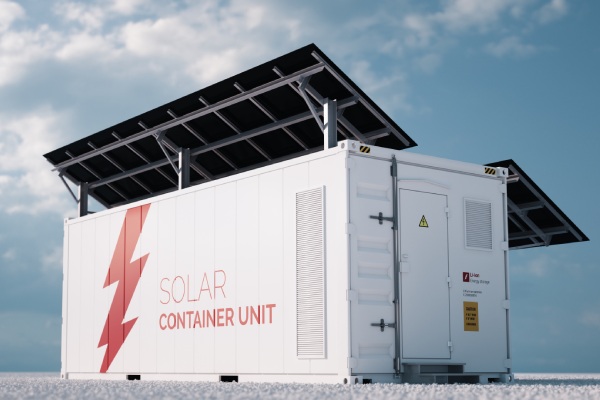
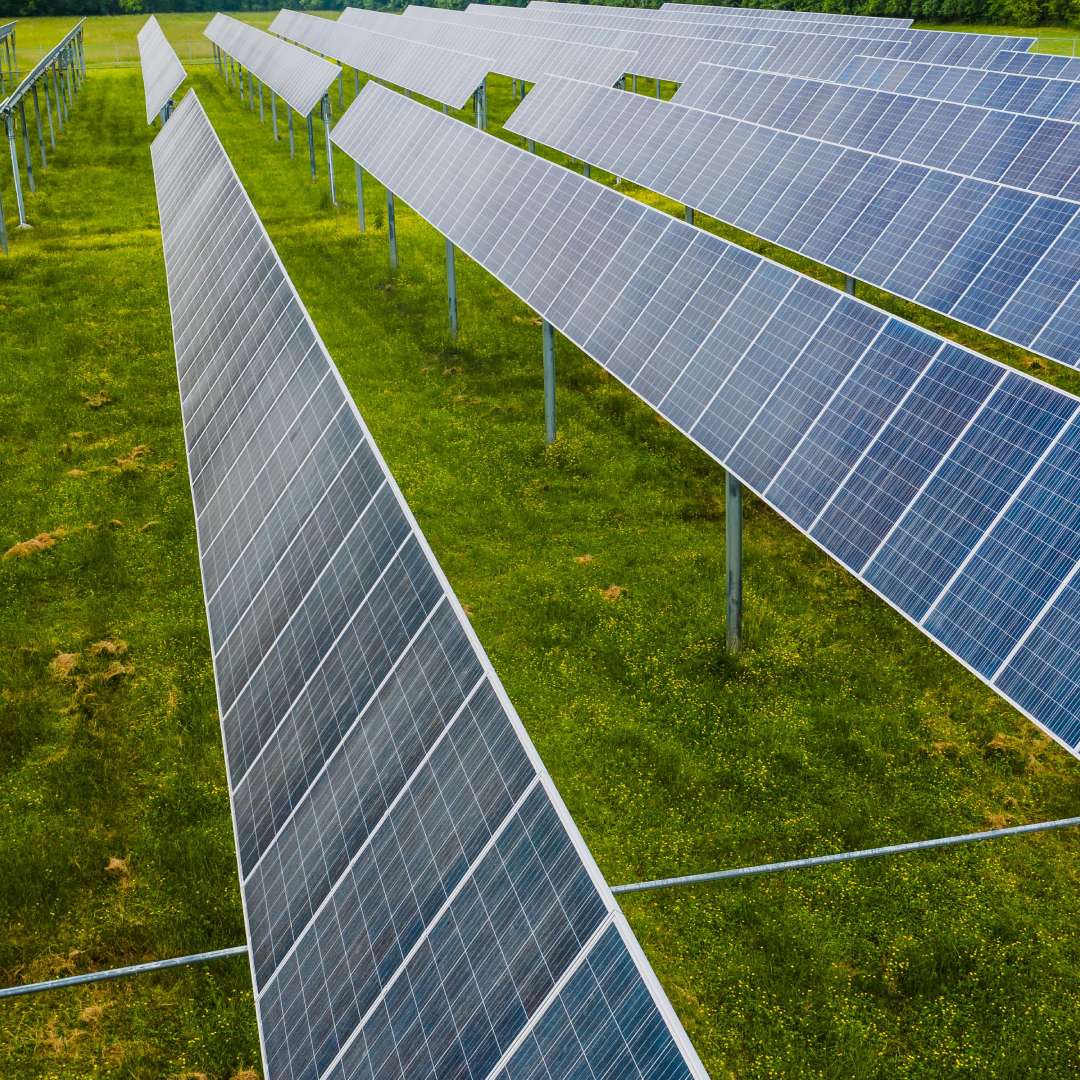
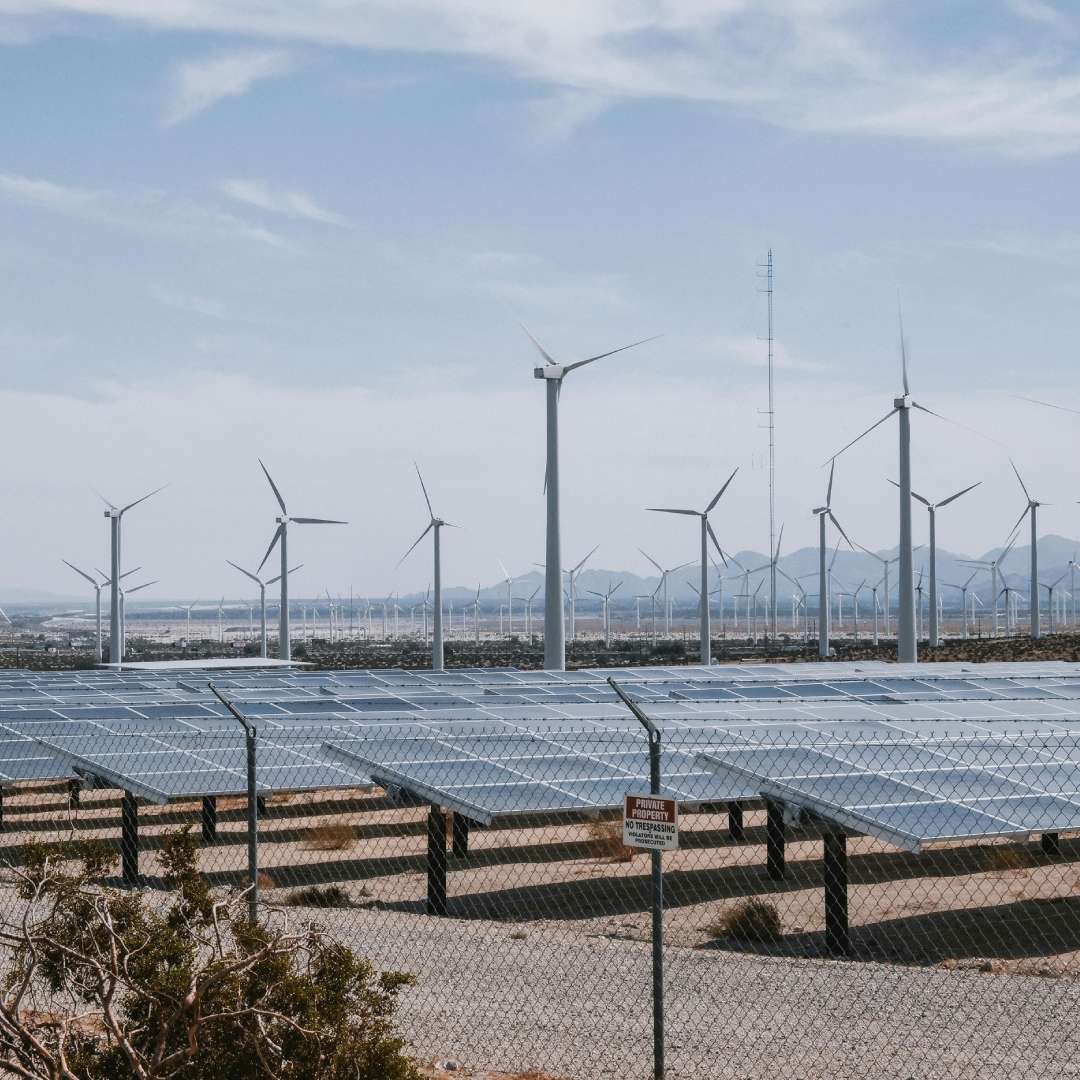
The main components of DER include solar photovoltaic plants, battery power storage systems, hybrid renewable systems, microgrids, and electric vehicle charging infrastructure. These are generally inverter-based assets, which dramatically change their interactions with the grid.
Utility treats DER differently from centralised production because of intermittent output, centralised placement, and limited fault contribution. The integrated distributed energy resource grid integration is therefore requiring further research and engineering support for DER projects — projects that extend beyond the traditional analysis of generation.
Why Power System Studies Are Critical for DER Projects
Integration of DER substantially changes how distribution networks function. Without proper analysis, DER installations can negatively impact voltage regulation, protection and overall system stability. This is why power system studies for distributed energy resources are essential at every stage of the project.
Other technical drivers include voltage rise and reverse power flow, protection coordination for DER, reduced inertia due to the inverter dominance, and fast-acting controls for DER system stability analysis. A continued role for regulatory approval processes is to be modelled upon detailed research into interconnection and compliance with the DER.
Utilities and authorities trust in validated power system studies to make sure DER assets do not compromise grid safety or operational reliability.
Key Grid Integration Challenges in DER Deployment
Hosting Capacity Limitations
One of the most common challenges to DER grid integration is the limited availability of existing distribution networks. In some cases, storage capacity limitations can lead to voltage violations, thermal overloads, or exploitation.
Short-Circuit Contribution of Inverter-Based Resources
Inverter-based DERs have only relatively low fault current in comparison with synchronous machines. This significantly impacts load flow and short circuit studies for DER and demands a revised protection philosophy.
Protection Miscoordination
For example, relay miscoordination may be lost in the absence of bidirectional power flow and altered fault levels. This protection coordination for DER is required to avoid nuisance tripping and prolonged outages.
Compliance With Grid Codes and Utility Standards
The DER project must meet standards in electrical control, frequency response and fault ride-through. These requirements highlight the impact of DER on distribution networks and the importance of early compliance assessment.
Types of Power System Studies Required for DER
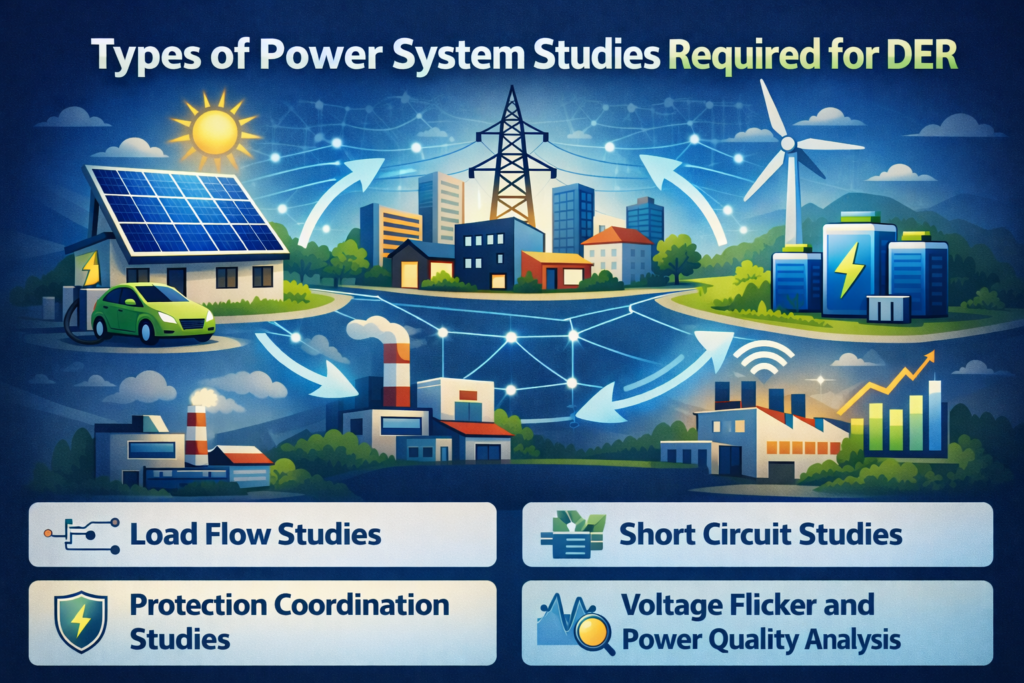
In addition to several independent DER power systems studies, there are also multiple forms of DER integration strategies.
- Load Flow Studies
Load Flow Studies Assess steady-state voltage profiles, power flows, and equipment loading. - Short Circuit Studies
Determine fault levels considering the inverter-based fault contribution. - Protection Coordination Studies
Validate selectivity and coordination across DER-connected feeders. - Voltage Flicker and Power Quality Analysis
Evaluate harmonics, flicker, and power quality compliance. - Dynamic and Stability Studies
Perform DER system stability analysis for large or hybrid projects.
Role of Power System Studies in DER Feasibility and Pre-Bid Engineering
The early-stage DER feasibility study engineering works are extremely useful in assessing grid risk, network constraints, and interconnection costs. These studies provide a guide to which projects can technically be viable before significant capital is invested.
Early power system studies from DER pre-bid engineering help to reduce bid risk, minimise late-stage design change, improve cost accuracy, and better bankability of project structures during pre-bid engineering. They are part of technical due diligence for DER projects.
Importance of Detail Engineering in DER Power System Design
Detailed engineering services produce comprehensive, functional designs from the study outcome. This is where equipment data and site characteristics are later entered into DER power system studies.
The focus areas include final protection plans, relay options, inverter control parameters, communication interfaces, and correlation of the as-built documentation with approved study results. For long-term performance and operational compliance, attention to detail in engineering is integral.
Why Independent Owner’s (Review) Engineering Matters for DER
Unbiased technical support is provided by the owner’s engineering for DER projects for project development. EPC-led studies may prioritise cost or constructability, whereas owners’ engineers are driven by reliability, compliance, and lifecycle performance.
Owner’s engineering includes independent verification of DER interconnection studies, utility submissions, confirmation of assumptions used in DER power system studies, and long-term operational risks.
Best Practices for Grid-Compliant DER Integration
Best practices for successful distributed energy resource grid integration include:
- Engaging power system engineers early
- Aligning studies with local grid codes
- Independently validating EPC assumptions
- Updating DER power system studies at each project stage
These practices greatly reduce approval delays and technical rework.
Conclusion: Building Reliable and Bankable DER Projects
In an increasingly inverter-dominated grid, power system studies for distributed energy resources form the foundation of safe, reliable, and bankable projects. When feasibility analysis, pre-bid engineering, detailed studies, and independent owner’s review are integrated, DER projects achieve higher approval success and long-term value.
In an increasingly inverter-dominated grid, power system studies of distributed energy resources engineering services support safe, reliable, and bankable projects. When feasibility analysis, pre-bid engineering, detailed studies and independent owner’s review are combined, DER projects will be more successful, and the project can last longer.
Frequently Asked Questions (FAQs)
FAQ 1: What power system studies are required for DER projects?
Most projects require load flow, short circuit, protection coordination, power quality, and, occasionally, dynamic stability studies.
FAQ 2: Why are power system studies important for grid integration of DER?
They control voltages, protection reliability, system stability and grid compliance for DER projects.
FAQ 3: At what stage should power system studies be performed for DER projects?
They should begin with feasibility, continue through pre-bid and detail engineering, and be updated before commissioning.
FAQ 4: How does an owner’s engineering help in DER power system studies?
Owner’s Engineering on the DER projects provides independent verification and lowers technical and financial risks.
FAQ 5: Can DER projects get delayed without proper power system studies?
Yes. Poor studies result in utility rejection, design changes and schedule delays.
